
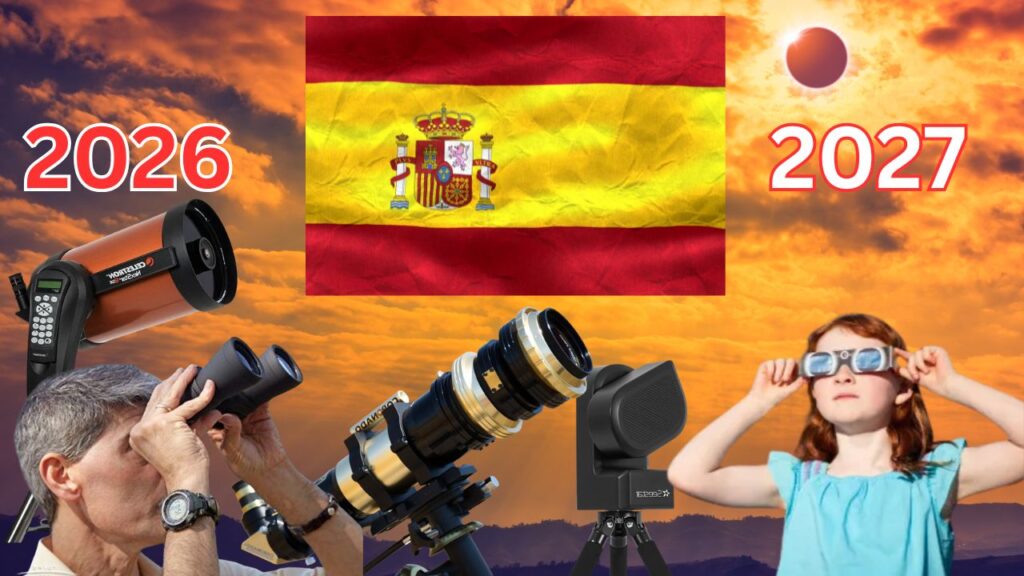
The total solar eclipse 2026 in Spain will be one of the most spectacular astronomical events in decades.
On August 12, 2026 A total solar eclipse will cross the Iberian Peninsula for approximately 2 minutes, passing through more than 40 cities in the north and center of the country. And a year later, on August 2, 2027, there will be an even more impressive eclipse with up to 6 minutes of totality in southern Spain.
If you have never seen a total solar eclipse in person, get ready: it is an experience that changes your perspective. The sky darkens in broad daylight, the brightest stars appear, animals become confused and the solar corona, that aureole of plasma surrounding the sun, becomes visible to the naked eye. It is impossible to describe in words and even harder to forget.
In this guide you will find all the options available to enjoy the eclipse safely, from completely free alternatives to professional high-end equipment, with purchase links included so you can prepare in advance.
The most important thing: eye safety
Before talking about equipment, one rule you must never forget: never look directly at the sun without certified protection, except during the few minutes of complete totality. A single second of direct exposure can cause permanent and irreversible damage to the retina. It does not hurt in the moment, which makes it even more dangerous.
The only exception is the moment of complete totality, when the moon covers 100% of the solar disk. Only at that instant is it safe to look directly and without protection. As soon as the first flash of light appears at the end of totality, put your protection back on immediately.
The phases of the eclipse you need to know
First contact

The moon begins to “bite” the solar disk. The partial phase begins and protection is mandatory at all times.
Second contact: totality
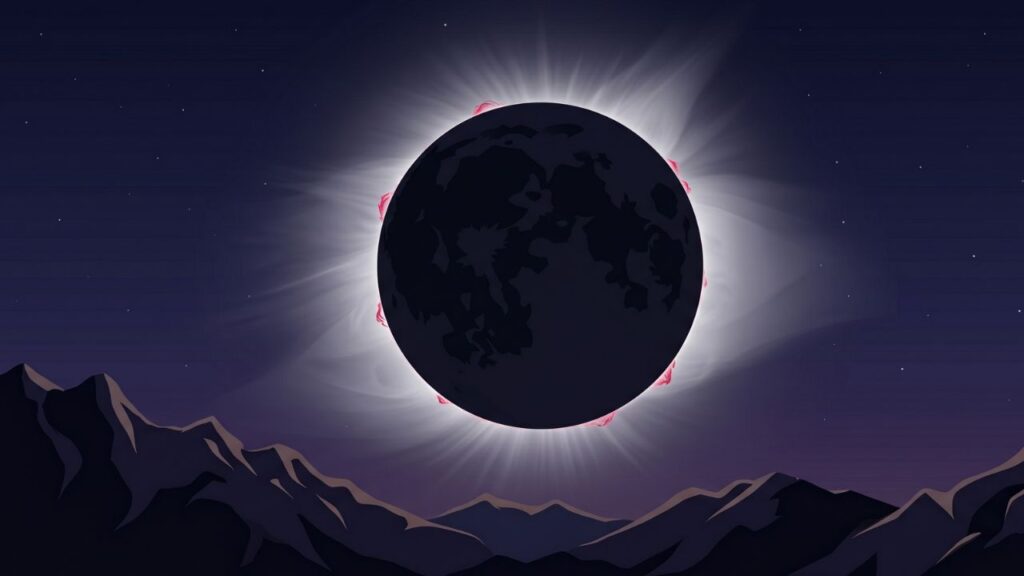
The moon completely covers the sun. The sky darkens, the solar corona appears and it is the only moment when you can remove your protection. It lasts barely 2 minutes in most cities along the 2026 route. Make the most of every second.
Third contact
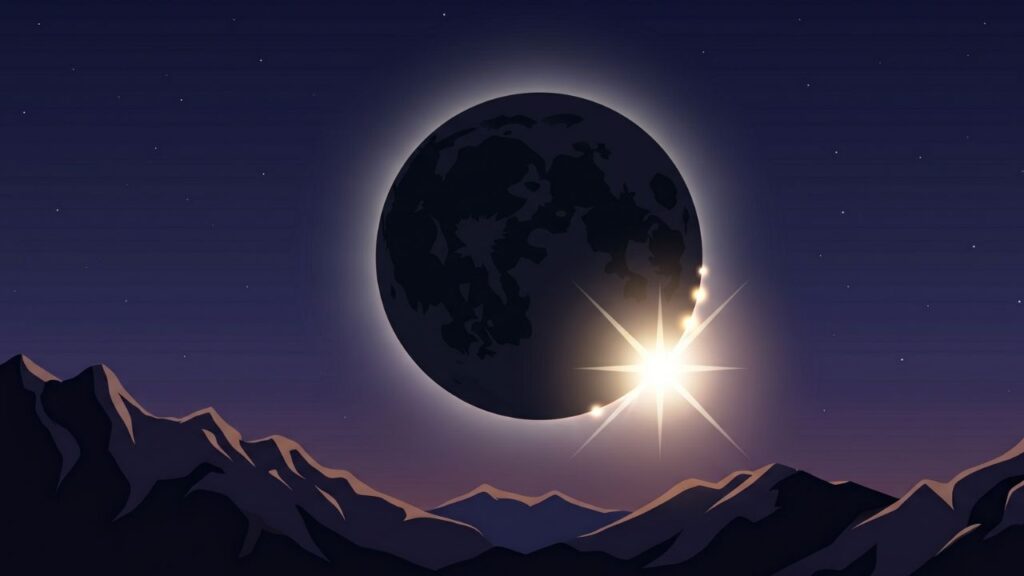
The moon begins to retreat. As soon as the first flash of sunlight appears, put your protection back on immediately. Do not wait.
Fourth contact

The moon retreats completely and the eclipse ends. Everything returns to normal.
Equipment options for every budget
1. Projection with a colander: 0 euros
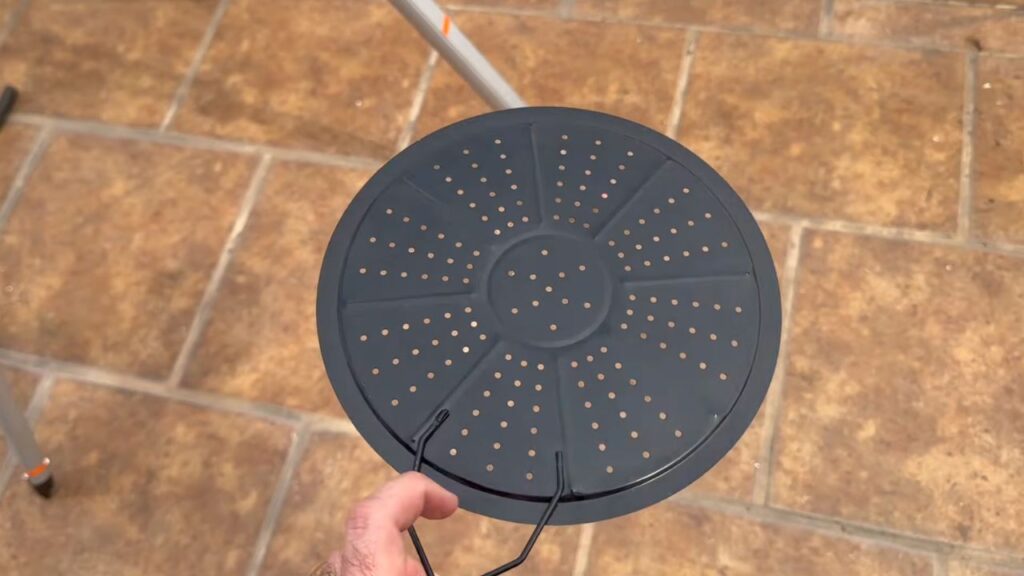
You do not need to buy anything. Any object with small holes works: a kitchen colander, a perforated cardboard sheet or even your own interlaced hands. Hold it under the sun and it will project small circular dots on the ground. As the moon covers the sun, those dots will transform into small crescents. It is safe, surprising and completely free.
2. Certified cardboard glasses: from 2 euros
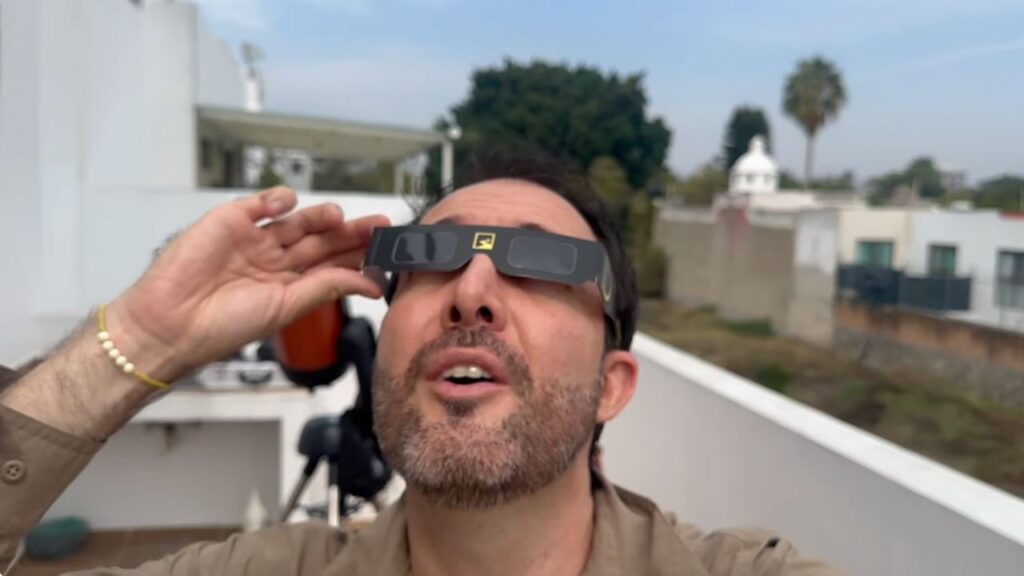
They are the most popular and accessible option. The key is to verify that they have the ISO 12312-2:2015 certification printed on the cardboard. Without that certification, do not buy them. If you get them in advance they can be very affordable, but on the day of the event the price can multiply by ten or disappear from the market entirely.
3. Reusable rigid plastic glasses: from 10 euros
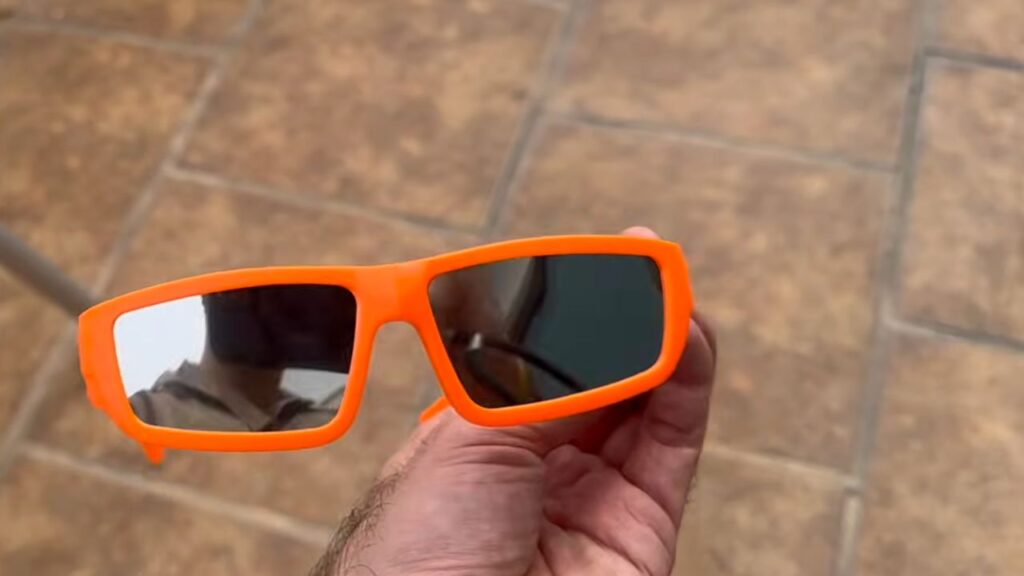
Similar to the previous ones but with a plastic frame and thicker lens. They are more comfortable for long observation sessions, are not disposable and you can save them for the 2027 eclipse. Also verify the ISO 12312-2:2015 certification.
4. Binoculars with solar filter: filters from 20 euros
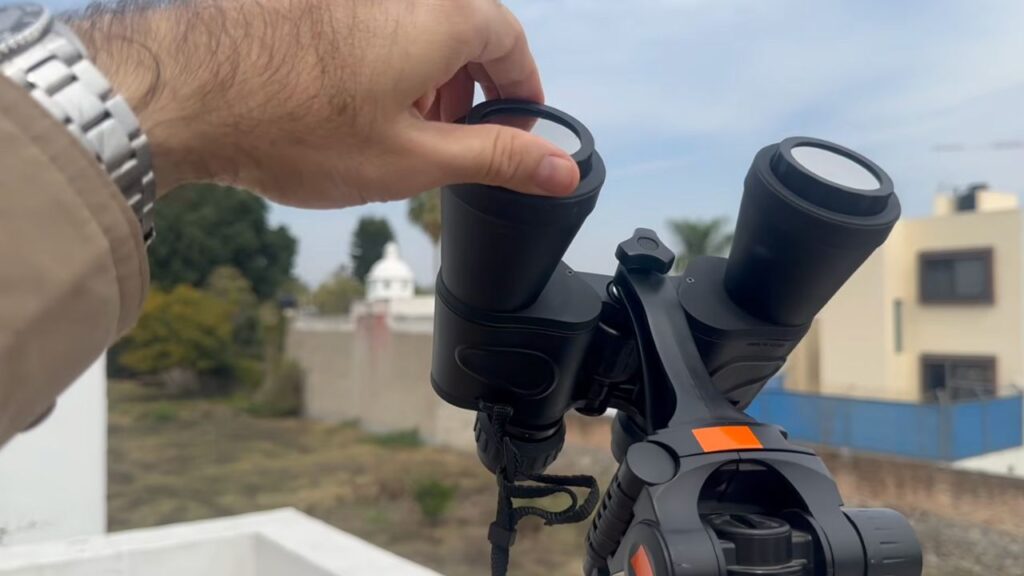
Conventional binoculars like the Celestron Cometron 7×50 can give you an impressive view of the eclipse, as long as you place certified Baader-type solar filters on the front of the objective. Never on the eyepiece, as the light there is already concentrated and can damage both your vision and the equipment.
For magnifications of 10x or less you can hold them freehand, but a tripod will give you much more stability and comfort during observation.
5. Conventional telescope with solar filter: filters from 30 euros
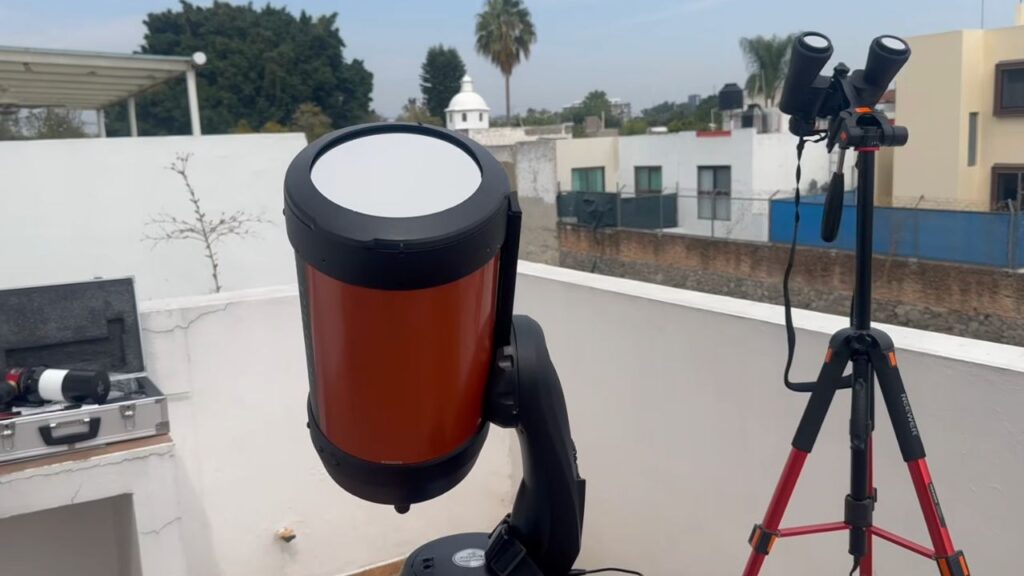
If you already have a telescope, like the Celestron NexStar 8SE or similar model, you can use it for the eclipse by adding a Baader-type solar filter placed on the front aperture of the tube. Never on the eyepiece. With this equipment you will be able to see sunspots clearly during the partial phase and the corona during totality.
6. Smart telescope: from 500 euros
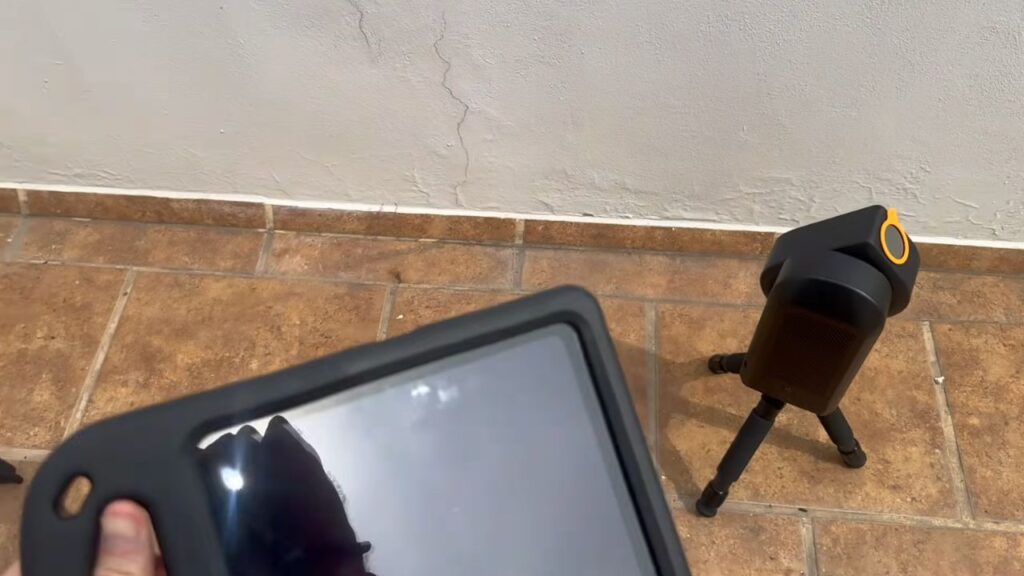
The ZWO SeeStar S50 is the most representative example of this category. It has no eyepiece: everything is controlled from an app on your tablet or phone. It includes its own integrated solar filter and automates the search for the sun, focusing and capturing images and video.
A special advantage for the eclipse: several people can watch the event simultaneously on the device screen, without visual fatigue and without taking turns looking through an eyepiece. During totality, you remove the filter from the app and the telescope automatically captures the solar corona.
Its cost is around 500 to 600 euros and you can use it all year to photograph nebulae, galaxies and the moon.
7. Dedicated H-alpha solar telescope: from 1,000 euros
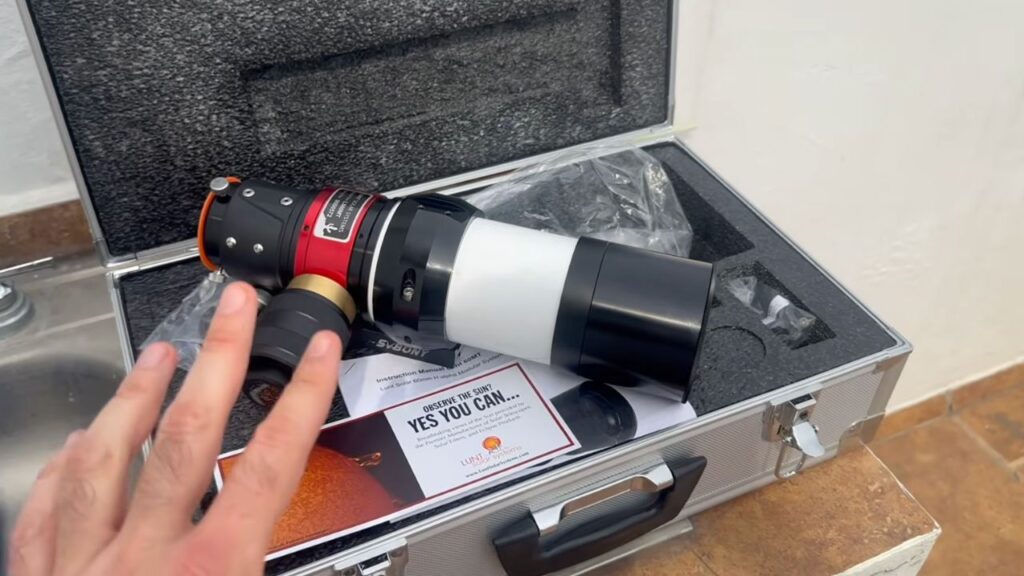
For those seeking the most advanced experience, brands like Lunt and Coronado manufacture specialized solar telescopes that use Hydrogen-Alpha technology. This technology filters light to reveal details invisible with other equipment: solar prominences, plasma filaments and the complete texture of the chromosphere.
The views are comparable to professional photographs. The price range goes from 1,000 to 5,000 euros or more.
Where to see the 2026 eclipse in Spain?
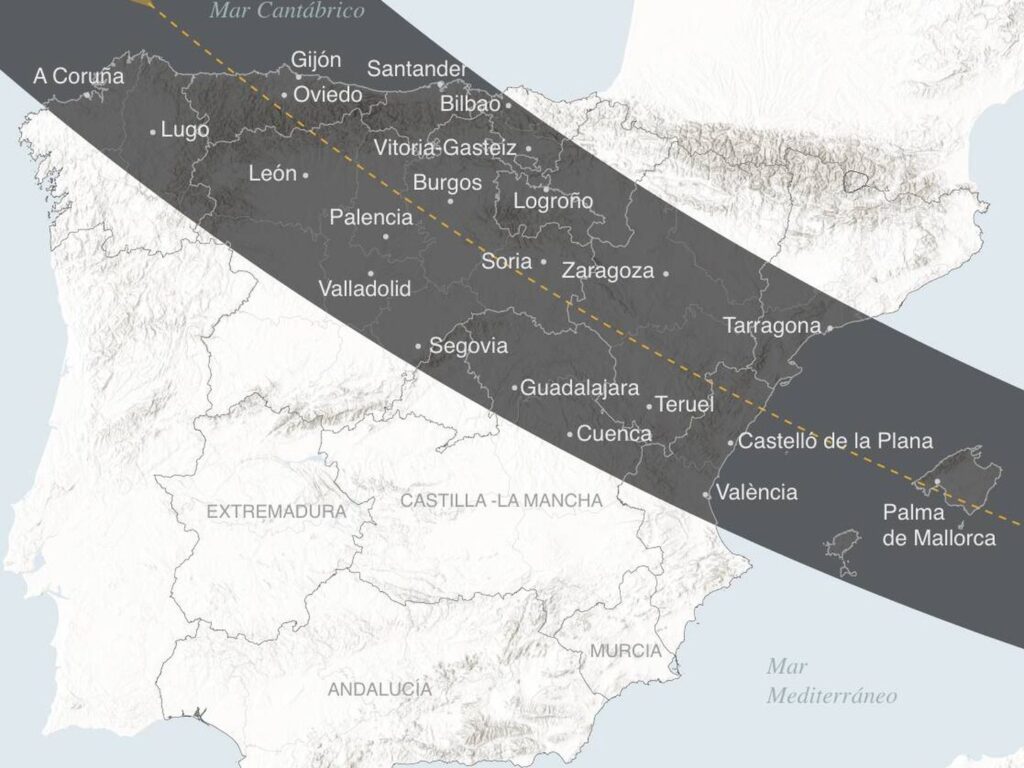
The total eclipse of August 12, 2026 will cross a vast strip of northern and central Iberian Peninsula, as well as the Balearic Islands. Cities in the totality band include:
A Coruña, Aranda de Duero, Avilés, Barakaldo, Bilbao, Burgo de Osma, Burgos, Castellón de la Plana, Castro Urdiales, Cudillero, Ferrol, Getxo, Gijón, Guadalajara, Huesca, Ibiza, Irún, Laredo, León, Logroño, Lugo, Medinaceli, Morella, Oviedo, Palencia, Palma, Pedraza, Peñíscola, Ponferrada, Sagunto, Salamanca, San Sebastián, Santander, Santiago de Compostela, Santillana del Mar, Segovia, Soria, Torrelavega, Valladolid, Vitoria-Gasteiz, Zamora and Zaragoza.
An important note: the sun will be relatively low on the western horizon during the eclipse, approximately at 8:30 PM, so choosing a location with good westward visibility will be just as important as having the right equipment.
Where to see the 2027 eclipse in Spain?
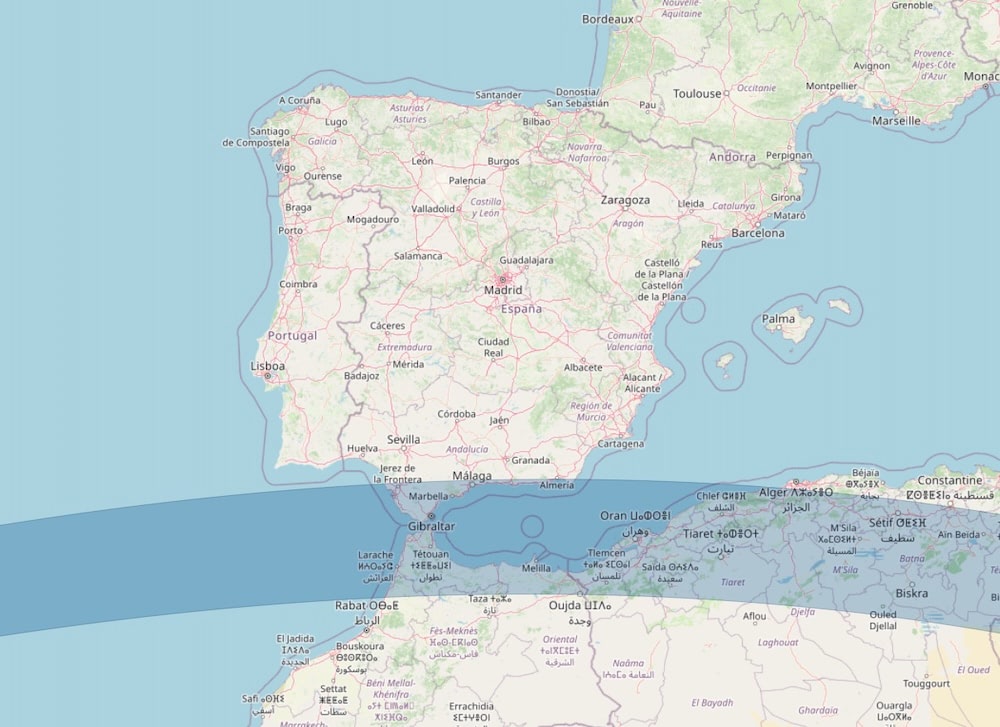
The eclipse of August 2, 2027 will concentrate in the extreme south of Spain, with one of the longest totality durations of the century. Cities in the band include:
Algeciras, Cádiz, Ceuta, Chiclana de la Frontera, El Puerto de Santa María, Estepona, Fuengirola, Jerez de la Frontera, La Línea de la Concepción, Málaga, Marbella, Melilla, Mijas, Ronda, San Fernando, Sanlúcar de Barrameda, Setenil de las Bodegas, Tarifa, Vejer de la Frontera, Vélez-Málaga and Zahara de la Sierra.
Tarifa will be the point with the longest totality duration in Spain. The climatic stability of the south and the high position of the sun during the event make this area the preferred destination for high-resolution astrophotography.
What if you are in Mexico or Latin America?
From Mexico and most of Latin America the totality of the 2026 eclipse will not be visible. However, depending on your location you may be able to see an interesting partial phase with certified glasses. If you want to experience the complete totality, the 2026 and 2027 eclipses in Spain could be the perfect excuse for a memorable astronomical trip.
Frequently Asked Questions
Is it dangerous to watch the eclipse without protection?
Yes, extremely. Solar radiation can permanently damage the retina in seconds and the worst part is that it does not hurt in the moment. The only safe instant to look directly is during complete totality.
How do I know if my solar glasses are safe?
Look for the ISO 12312-2:2015 certification printed on the cardboard or frame. Without that certification, do not use them. Be especially wary of those sold on the street on the day of the event, or uncertified glasses that can permanently burn the retina.
Can I use regular sunglasses?
No. Conventional sunglasses do not block enough solar radiation to protect your vision. Only glasses with ISO 12312-2:2015 certification are safe.
Can I photograph the eclipse with my phone?
During totality yes, you can point directly. During partial phases you need a solar filter over the camera lens to avoid damaging the sensor and to get a correct image.
Where should I place the solar filter on my telescope or binoculars?
Always on the front aperture, never on the eyepiece. At the eyepiece the light is already concentrated and can irreversibly damage both your vision and the equipment.
Does the ZWO SeeStar S50 Smart Telescope work for the eclipse?
Yes. It includes its own solar filter and the app automates the entire process. It also allows several people to watch the eclipse simultaneously on screen without visual fatigue, making it an ideal option for groups and families.
Is it worth traveling to Spain for the eclipses?
If you have the opportunity, absolutely yes. The combination of the 2026 and 2027 eclipses makes Spain the most privileged astronomical destination on the planet over the next two years. Book in advance because hotels and transport in the totality band cities will sell out quickly.
Buy your equipment in advance
The demand for filters, glasses and solar equipment will skyrocket as the dates approach. We recommend acquiring your equipment as soon as possible.